
Uncategorized
Can 3MMC Be Brown? An In-Depth Look
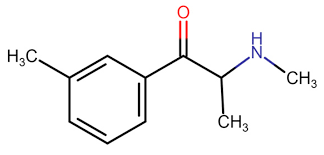
Nov
Talking about research chemicals, details on the way they look are essential. For a substance like 3-Methylmethcathinone (3MMC) This is also what people expect, namely a certain appearance, generally a white or off-white crystalline powder. But color discrepancy can happen and would drive people crazy! If you’ve ever asked “Is 3MMC brown?” This post will discuss possible causes of this color variation, so you can learn about what it may indicate.
We will see here how different factors, as synthesis conditions, impurities or degradation products can take his final form to 3MMC. A clear grasp of these aspects is essential for navigating the treacherous waters of research chemicals in a responsible manner. This knowledge can help to provide context for observations and increase awareness of the need for careful sourcing and handling.
What Color Should 3MMC Be?
Pure 3-Methylmethcathinone is reported as a white to off-white powder in the scientific literature. That’s the one most commonly found in science literature, as well as from people who have access to lab tested stuff. The crystalline structure may vary from a fine powder, to small shard-like crystals that are clear or white in color.
This potential outlook is a benchmark for most of the researchers and users. When a material doesn’t adhere to this standard — when it’s yellowish, tannish or brown for example — you frequently wonder what went into the compound and what impurities might be present. Color, though not a definitive test of purity, is often a first clue that spurs further examination.
Why Might 3MMC Appear Brown?
There are a couple reasons your 3MMC may be brown instead of white or off-white. These factors include synthesis, and post-synthesis handling and storage.
Synthesis and Manufacturing Impurities
The synthesis of any chemical species will include 2 or more reactions. Residual reagents, additives, by-products or contaminants may be present in products created using biomass-derived mono- and multi-butenes.
Precurser Chemicals: The purity of the precursers used to make 3MMC is very important. If impure reagents are employed, the impurities can be transferred through the reaction and potentially cause discolouration of the final product.
Byproducts of Reaction: Not all chemical reactions are 100% efficient. Unwanted products may be formed as side reactions, which remain admixed with the desired material. Some of these impurities may be pigmented and the whole bunch will assume shades of brown.
Impure Synthesis: Purification is required to isolate products from byproducts and/or unreacted starting material(s) after synthesis. If this step is taken to fast, omitted or not properly done there are impurities left. Techniques involving recrystallization can separate the pure compound, but not efficiently so, potentially leaving impurities to interfere with color.
Degradation Due to Environmental Factors
Reagents don’t last forever. They can degrade or react with the materials around them over time. This is also one reason for color changes in a lot of things.
Oxidation: Air contact (in particular with oxygen) can lead to oxidation, a chemical reaction leading to modifications of the 3MMC molecule and colored degradation products. That for instance is why a cut apple turns brown, when not washed with citric acid or anything.
Exposure to Light: One of the surefire ways is UV light from the sun, but even some interior lighting can give off enough to provide the energy necessary to break chemical bonds and cause degradation. This degradation, known as photodegradation, is commonly accompanied by a change in colour.
Heat and Humidity: Keeping 3MMC in a hot or soggy area can speed up decomposition. The heat directly provides an energy source available for undesired chemical reactions, and the moisture is reactable directly with a material (hydrolysis) or may function as a solvent to facilitate other such reactions.
The brown in a white powder could be a tell-tale sign that the substance has essentially deteriorated.
The Presence of Cutting Agents
Substances get mixed with other compounds and cutting agents or adulterants are frequently added in unregulated markets. This is to bulk out the product and increase the yield. These additives could be colored, that alter the look of the mixture.
Some cutting agents are harmless powders such as lactose or creatine, usually white. But less common additives could come colored. If you have mixed 3MMC with a tan or brown liquid, you will not have white powder. This illustrates how unpredictable such compounds, sourced from unknown origin, can be.
Does it Look To Have The Same Potency, Or The Same Threat?
Brown 3MMC is abnormal and typically an indicator of impurity or degradation. This could potentially have potency and safety implications.
Potency: If the powder contains a disproportionate amount of impurities or was degraded then there’s less active 3MMC. This would require more of the powder to be used in order to achieve similar effects as a pure sample and render results both unpredictable and inconsistent.
Safety and Risk: The unidentified character of impurities or degradation by-products is a big worry. These other substances have their own effects, which can be inactive, psychoactive or toxic. Bringing new, unknown compounds into your study or system has its perils since you’re never quite certain what they’ll do.
So while brown is not necessarily unsafe, it’s a sure sign the 3MMC isn’t 100% pure. It is more risky than fat because its content is not known.
Responsible Sourcing And Handling Matters
The possibility of color differences and the inclusion of impurities highlight the necessity for responsible research chemical use.
Careful storage is important to maintain quality. In order to preserve the stability of a substance such as 3MMC it needs to be stored in a cool, dark and dry location. With the airtight opaque container, you can protect it from oxygen, light and moisture so that it needs not suffer any exposure to ideally maintain its fresh state as long as possible.
Finally, it all boils down to trusting and sourcing from honest transparent suppliers who give you analytical data like NMR or GC-MS test results, there is no other reliable way of knowing the identity and purity other than using standardized tests. This documentation gives a scientific proof of what the substance is, and how pure it is, not just looking at its visual appearance.
Conclusions: What to Make of Brown 3MMC
So, can 3MMC be brown? Yes it can be brown – 3MMC but that does not look at all like the raw or pure. Brown tan is virtually always indicating impurities in manufacturing, degradation of improper storage or the presence of adulterants.
Color is a single feature but it’s a very useful proxy for quality on first glance. A product other than pure white or off-white can be treacherous. The impurities or decomposition products causing the brown coloration are not known and would affect potency and cause unpredictable effects of the substance.
Finally, knowing these options gives you more knowledge, and with that power to make better and safer decisions. All that said, storing and sourcing from transparent suppliers who can validate their product’s purity is the best way to increase your chances of dealing with the right substance.
