
Uncategorized
How Long Does 3-MMC Stay in Urine: Is 3-MMC Found in Urinalysis?
Nov
A common question is how long drugs that have accumulated in the body can be detected, particularly for employment, legal, or personal use purposes. This information can be very difficult to track down for relatively new synthetic substances such as 3-MMC (3-Methylmethcathinone). In this article, we will look at the duration 3-MMC stays in your urine system, factors that affect it and walls of information on drug testing.
Objective We aim to provide clear, evidence-based guidance on this matter. In this article, we will discuss what 3-MMC is, how it metabolizes in the body and finally how long it will be detectable on a standard urine test. You’ll also discover the variables that can cause this window of detection to be shorter or longer for you.
What is 3-MMC?
3-Methylmethcathinone, or 3-MMC, is a synthetic entactogen and stimulant of the amphetamine and cathinone classes. Cathinones are a family of drugs belonging to the khat plant grown in East Africa and on the Arabian Peninsula. Chemistry 3-Methylmethcathinone is one of the members of the substituted cathinones class and a derivative or analog of 4-methylemethcathinone.
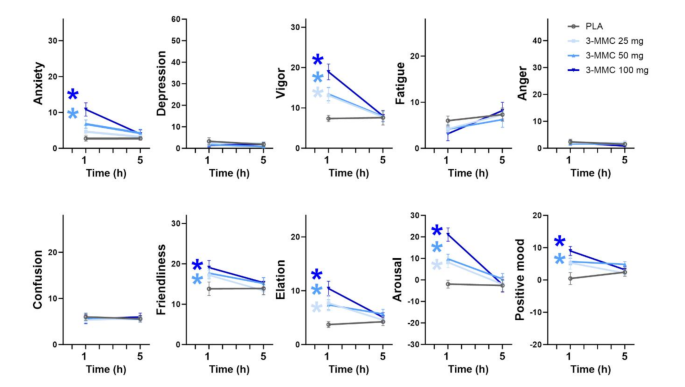
Frequently sold online as a “research chemical,” 3-MMC induces effects described by users as somewhere between those produced by MDMA and cocaine. These effects can include:
Increased energy and alertness
Euphoria and elevated mood
Enhanced sociability and talkativeness
Slight empathy like (feeling emotionally close to others)
As such, because of its stimulant effects and abuse potential, 3-MMC is a controlled substance in the United States, the UK, and many other countries. Its uncontrolled manufacture results in purity and dose being highly variable, placing users at huge risk.
How is 3-MMC Metabolized in the Body?
When 3-MMC is consumed by an individual, it travels through the blood to the brain where it has a stimulating effect on neurotransmitters like dopamine among others such as serotonin and norepinephrine. The body’s metabolic machinery immediately starts to force it apart. This metabolism, dominated by the liver, converts the parent drug into multiple metabolites.
The metabolites, as well as some unchanged 3-MMC, are excreted via the kidneys from the blood stream and pass through to the urine. Drug testing is generally conducted on the parent drug or one of its metabolites. The duration it takes for the body to get rid of half the amount is known as the substance’s “half-life.” Although specific half-life information on 3-MMC is unavailable due to the lack of formal knowledge surrounding the drug, it is thought to be somewhat short like with other cathinones hiding out in its “family”.
How Long Does 3-MMC Stay in Your Urine?
Most people want to know one thing before they set out with their purchase, 3mmc how long in urine? The response is not straightforward, because it will depend on a number of factors but a ballpark figure can be calculated based on knowledge about analogues.
Urine Testing Detection: 3-MMC is expected to be detectable in the urine for 2-5 days following the last use. For frequent or heavy users, this time frame can stretch to 7 days or more.
Note that this is an only rough estimate. Typical drug tests, like your standard 5-panel or 10-panel tests, probably won’t test for that. But more sophisticated, comprehensive tests (like those administered in legal or forensic situations) can, and certainly do test for synthetic cathinones. These assays are very sensitive and capable of detecting the unique chemical fingerprint of 3-MMC, and its metabolites.
Factors That Influence Detection Times
That 2-to-5-day window is not a general rule. There are a number of individual factors that can influence how long 3-MMC will be detectable in a person’s system.
Dosage and Frequency of Use
That is one of the most important things. High doses, even repeated high doses, are speedily cleared if the amount is small.
One Time User: An user who consumes 3-MMC one time may excrete it from their body in about 2-3 days.
Chronic User: When used frequently or in large doses the substance can build up in your system resulting in a much longer detection time period of 5-7 days, possibly more.
Individual Metabolism
Our bodies all metabolize at different speeds. A faster metabolism will metabolize and eliminate 3-MMC at a quicker pace. Metabolic speed may also be affected by factors such as age, genetics and overall health. You get a faster metabolism when you are younger and much healthier than older people or some patient’s with some diseases.
Body Mass and Fat Content
Fat-soluble drug metabolites can be stored in fat cells. Cathinones are typically even more water soluble, but body composition is still a factor. Those with higher body fat percentages might store metabolites for a bit longer.
Hydration and Urine pH
The concentration of your urine is influenced by how hydrated you are. Drinking plenty of water can dilute urine and reduce the subjective level of concentration of drug metabolites below the cutoff for a test. But such overly diluted sample is generally determined as the invalid and needs to be re-tested. The pH of your urine (its acidity or alkalinity) can also affect how fast some substances are eliminated.
Liver and Kidney Function
Metabolism and excretion of drugs are mainly hepatic and renal. But imbalances in their functioning, whether the result of illness or other factors, can significantly slow down this process. This will result in the 3-MMC + metabolites staying in your system longer.
Drug Testing for 3-MMC
When you have a drug test to pass, it’s nice to know what to expect. Urine testing is particularly widespread for work and legal drug testing due to its relatively low cost, convenience for both the tester and the subject, high percentage of routine visits, and because it can test for all of the major drug categories.
Collection of samples: A nurse will ask you for a sample in a confidential environment. Measures are taken to prevent tampering or replacement.
Screening (Immunoassay): The sample is initially tested by a rapid screening method. This test screens for general families of drugs. Depending on its lot (cross-reaction), 3-MMC could give a positive result for amphetamines or other stimulants.
2003) If the screening test is positive, it is sent to a laboratory for further precision testing – gas chromatography/mass spectrometry or liquid chromatography-mass spectrometry. This more sophisticated testing can even pinpoint the specific substance, proving 3-MMC has been sold and not something else.
Ultimate Overview: 3-MMC Detection, Conclusion
In summary, 3-MMC detection in urine is a intricate situation with many factors to consider. There is no single right answer but we can make some reasonable conclusions. Shockingly if you are a infrequent 3-MMC user, it will be present in urine about 2-5 days. For heavier users, it can be a week or more.
It is dependant on things such as metabolism, how much you smoked, your general state of health and hydration levels and all these factors combined will make up the final detection window. 3-MMC is specifically detectible with advanced lab tests, thus counting on standard panels to show a negative result for it is a flawed plan. The surest way to pass a drug test is not to do drugs.
