
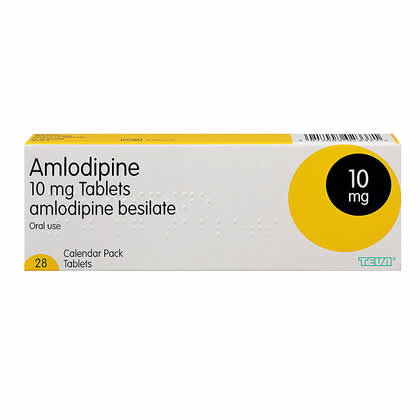
Amlodipine
45.00 €
Amlodipine: Uses, Benefits, and Important Information
What Is Amlodipine?
Amlodipine is a prescription medication commonly used to treat high blood pressure (hypertension) and certain types of chest pain, including angina. It belongs to a class of medications known as calcium channel blockers, which help improve blood flow and reduce the workload on the heart.
How Does Amlodipine Work?
Amlodipine works by relaxing and widening blood vessels, allowing blood to flow more easily throughout the body. This action helps lower blood pressure and increases the supply of oxygen-rich blood to the heart, reducing the risk of cardiovascular complications.
Benefits of Amlodipine
When taken as prescribed, Amlodipine may provide several important benefits:
- Helps lower high blood pressure
- Reduces the risk of heart attack and stroke
- Improves blood circulation
- Helps prevent chest pain caused by angina
- Supports long-term cardiovascular health
Because of its effectiveness and once-daily dosing, Amlodipine is widely prescribed around the world.
Possible Side Effects
Like all medications, Amlodipine may cause side effects. Common side effects include swelling of the ankles or feet, dizziness, headache, fatigue, and flushing. Most side effects are mild, but patients should contact their healthcare provider if symptoms persist or worsen.
Important Considerations
Amlodipine should be taken exactly as directed by a healthcare professional. Regular monitoring of blood pressure and routine medical checkups can help ensure the medication is working effectively and safely.
Conclusion
Amlodipine is a trusted medication for managing high blood pressure and angina. By improving blood flow and reducing strain on the heart, Amlodipine can help support cardiovascular health and lower the risk of serious complications. Following medical advice is essential for achieving the best treatment outcomes.
Be the first to review “Amlodipine”
Related products


Reviews
There are no reviews yet.