

Clomid
60.29 €
Clomid: Uses, Benefits and Important Information
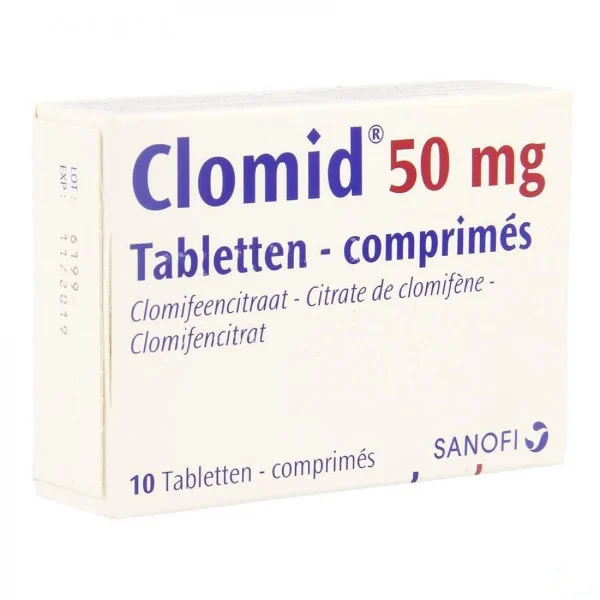
Clomid is a prescription medication that contains the active ingredient clomifene citrate (also known as clomiphene citrate). It is commonly used to help women who experience ovulation problems and are having difficulty becoming pregnant. Clomid is one of the most widely prescribed fertility medications and has been used successfully for many years.
How Does Clomid Work?
Clomid works by stimulating the release of hormones that are necessary for ovulation. It acts on the hypothalamus and pituitary gland, encouraging the ovaries to develop and release mature eggs. This can increase the chances of conception in women who do not ovulate regularly or who have certain fertility-related conditions.
Common Uses of Clomid
Healthcare professionals may prescribe Clomid for:
- Ovulation induction
- Female infertility related to irregular ovulation
- Polycystic Ovary Syndrome (PCOS)
- Fertility treatment programs
- Improving the chances of conception
Clomid should only be taken under the guidance of a qualified healthcare professional.
Possible Side Effects
Like all medications, Clomid may cause side effects. Common side effects include:
- Hot flushes
- Headaches
- Nausea
- Mood changes
- Breast tenderness
- Abdominal discomfort
Patients should discuss any concerning symptoms with their healthcare provider.
Benefits of Clomid
One of the primary benefits of Clomid is its ability to promote ovulation in women who have difficulty ovulating naturally. It is often considered a first-line fertility treatment because it is effective, well-studied and easy to administer. For many couples, Clomid can improve the likelihood of achieving pregnancy.
Conclusion
Clomid is a well-established fertility medication used to support ovulation and improve the chances of conception. When prescribed and monitored by a healthcare professional, it can be an effective treatment option for women experiencing ovulation-related infertility. Following medical advice is essential to ensure safe and successful treatment outcomes.
Be the first to review “Clomid”
Related products







Reviews
There are no reviews yet.